
Bus Tour: Historic Olmsted Parks of West Seattle with Academy for Lifelong Learning Resources

Date: Thursday, June 4, 2026, from 7:45 a.m. – 6:00 p.m.
Cost: Western Washington’s Academy for Lifelong Learning Resources members: $120; Non-members: $150
Additional personal expenses: Lunch and any personal purchases
Registration deadline: Monday, May 4, 2026
Tour Leaders: Sue Nicol and Jennifer Ott

Due to the tremendous response of our Seattle Olmsted Park excursion last year, this June we continue our visit to Olmsted-designed parks on Seattle’s west side.

When John Charles Olmsted first arrived in Seattle in 1903, he was struck by the city’s “extraordinary landscape advantages.” In West Seattle he aimed to preserve, for the public, an old-growth forest park, active playfields, and ample views of Puget Sound and the Olympic Mountains. Olmsted’s original 1903 plan focused on the central and east parts of the City. After West Seattle and other neighborhoods were annexed to the City in 1907, the Olmsteds were hired back to create a supplemental parks and boulevard plan for those neighborhoods.

Our journey this year includes:

  • Longfellow Creek Legacy Trail: We’ll walk the path along Longfellow Creek as it weaves through a lush ravine past a beaver colony.
  • Delridge and Hiawatha Playfields: These Olmsted-designed playfields were among the first active sports fields west of the Mississippi. Both were designed between 1910 and 1912.
  • Schmitz Park and Boulevard: Donated to the City by Ferdinand Schmitz to preserve its old-growth forest, this park was intentionally left “wild” to protect one of Seattle’s last stands of old-growth forest.
  • Alki Beach Park: Lunch is at a restaurant of your choice on Alki Avenue SW. The Olmsted Brothers helped secure this waterfront park, with fabulous views of Puget Sound and the Olympic Mountains for public use.
  • Rose Garden and the Woodland Park Zoo: The roses should be in full bloom at the Woodland Park Rose Garden, a 2.5-acre formal garden at the south entrance of the zoo. This rose garden opened in 1924 and is home to nearly 3,000 roses and a sensory garden. In 1910, the Olmsteds designed the zoo grounds. They placed small animal exhibits in what’s now the War Garden, now outside the zoo grounds just west of the Rose Garden. This tour doesn’t enter the zoo.
  • EB Dunn Gardens: This is the only PNW private residential garden designed by the Olmsted brothers that is open to the public. We end our day with a docent-led tour of this beautiful residential estate.

EMAIL TO JOIN IN SEATTLE

Note: This tour entails a series of walks, at times on uneven ground, totaling 1.5 miles.
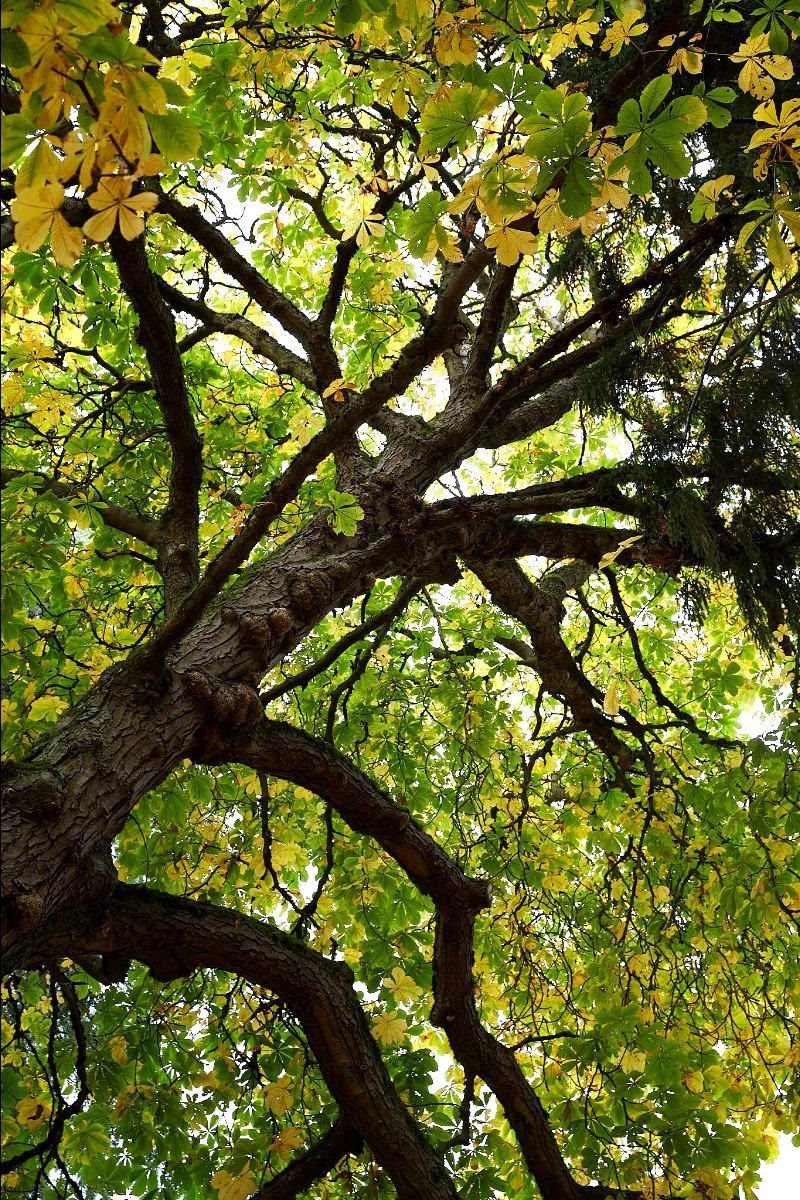
Walking Tour of Interlaken Park & Boulevard

Sign up here

This walk will take you down a wooded trail through Interlaken Park to Interlaken Blvd. The route then travels east along the boulevard to 24th Ave., then backtracks to follow the boulevard in the other direction.

John Charles Olmsted laid out Interlaken Boulevard along an early bicycle path heading westward from Lake Washington Boulevard to Capitol Hill’s Volunteer Park. The 1903 Olmsted Brothers’ report describes the ‘Volunteer Hill Parkway’ as ‘one of the most desirable’ branch parkways that would connect Washington Park with Volunteer Park.


Location: Meet at 19th Avenue East and East Galer Street. On-street parking is available along Galer and 19th

NOTE:   This walk will be approximately 2.5 miles in length, traversing long slopes on paved streets and unpaved pathways.

Tree Canopy Loss Report

Seattle lost 255 acres of tree canopy between 2016 and 2021, according to a recently-released city assessment. Seattle’s canopy cover in 2021 was 28.1%, down from 28.6% in 2016. This means the city is actually further away from its goal of reaching 30% tree cover by 2037.
 
The study further noted that the canopy loss has not happened equitably, with neighborhoods most impacted by social injustice losing more than the citywide average. The report stressed that tree canopy cover plays a critical role in climate preparedness by lowering temperatures and reducing heat island effects. At the neighborhood scale, a 13% increase in tree canopy is associated with a .5-degree reduction in temperature, according to the report.
The areas seeing the most tree loss were parks and neighborhoods, the report found. Parks Natural areas contain 14% of the city tree canopy and saw a relative loss of 5.1%, which may be due to aging deciduous trees coming down naturally or being replaced by evergreen trees. Neighborhood Residential areas saw a lower relative loss of 1.2% – but this is a significant number since residential land comprises 47% of the city’s canopy. Tree loss here is likely due to a combination of development and other reasons.
 
In response to the study, Mayor Bruce Harrell issued an executive order that proposed, among other things, replacing every healthy, site-appropriate tree removed from city property with a minimum of three trees. The order also creates a fund to target new tree plantings in areas with low tree cover, especially historically underserved communities, and would expand which kinds of trees are regulated.
 
The Seattle Times in an editorial wrote that Harrell’s proposals are a good start and urged the City Council to now engage in a “focused effort and a dedication to come down on the side of trees in the perennial housing versus the environment debate [or] the city will not live up to its own values. Economically disadvantaged neighborhoods will pay the steepest price.”
 
City officials also recently signed a pledge to work together with tribal nations and community organizations across the state to expand tree canopy in cities. The pledge doubles down on Seattle’s commitment to plant and grow 8,000 trees on public and private properties and an additional 40,000 seedlings in natural areas in the next five years, according to a Seattle Times news article.
By JoAnn Kelly

Site Footer